

What is Ion Exchange Resin?

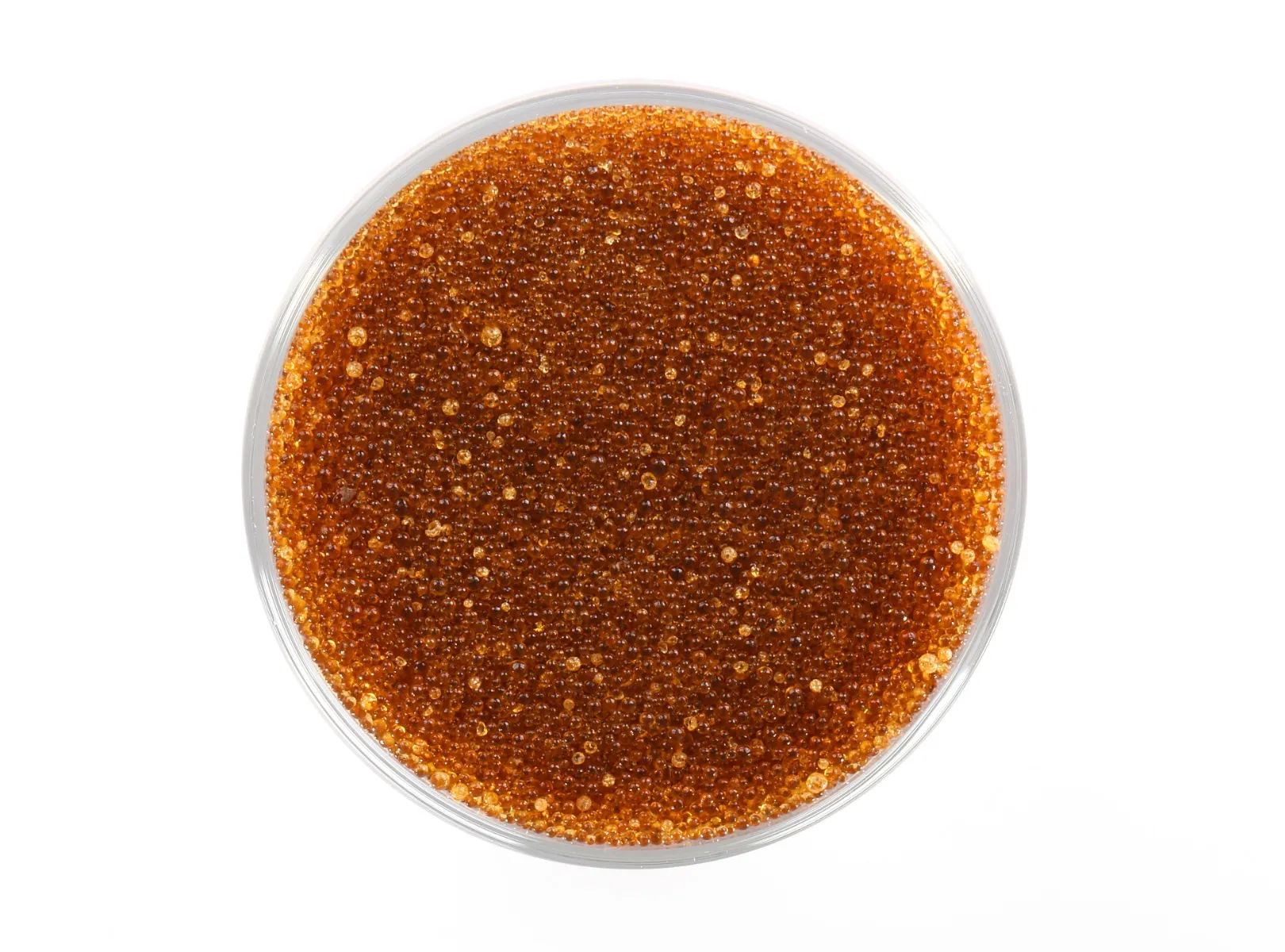
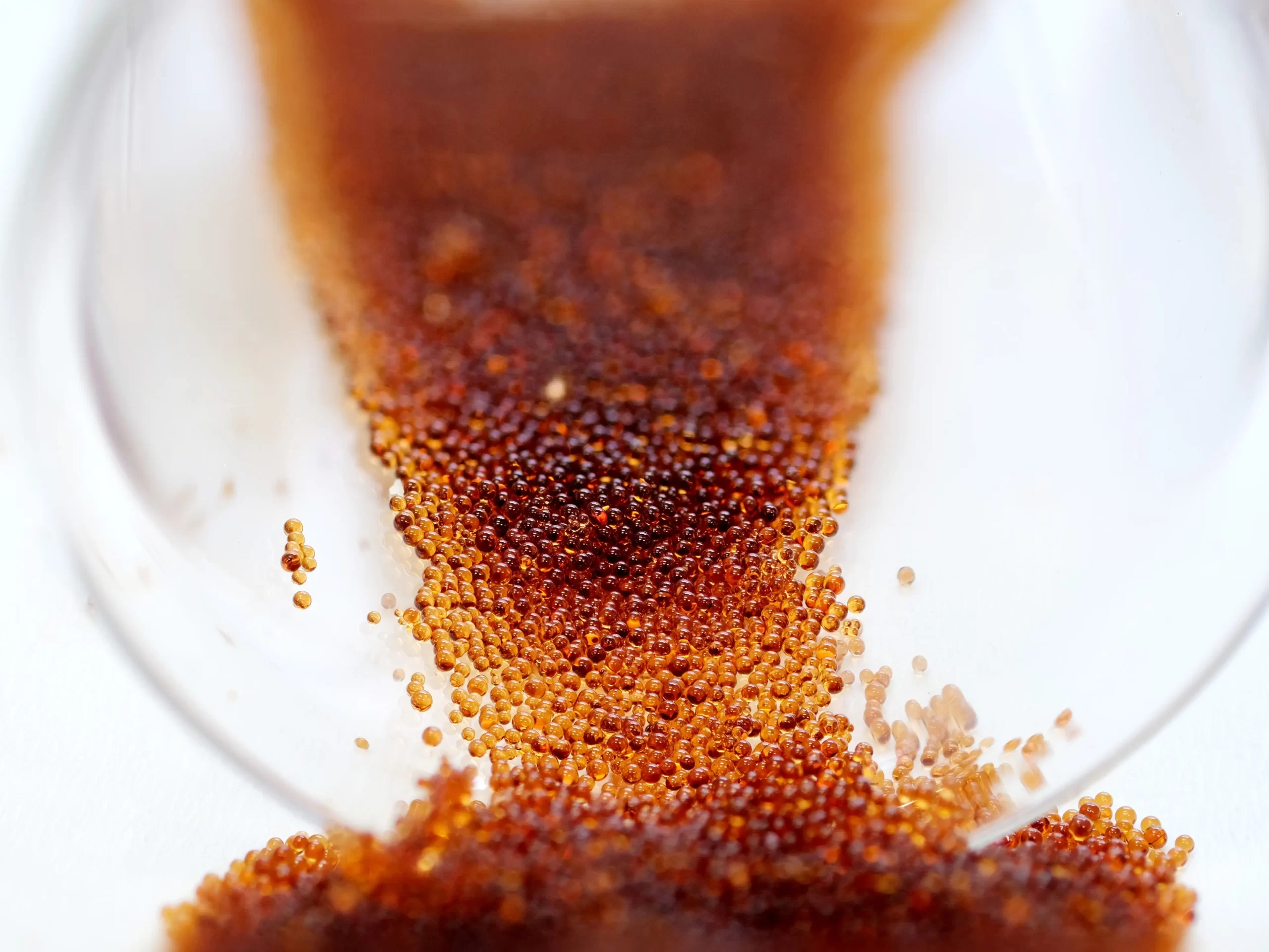
Ion Exchange Resins are special polymer-structured materials used in the treatment of water and liquids. Ion exchange resins, which consist of a polystyrene and polyacrylate matrix and the functional group attached to it, retain unwanted ions such as calcium, magnesium, chloride, sulfate ion or heavy metals in the water, and instead give sodium, hydrogen or hydroxyl ions in its structure to the water. It is especially used in softening and purifying water by removing lime, magnesium and heavy metal ions.
Ion Exchange Resins are used in water conditioning processes such as water softening, industrial demineralization, condensate polishing, ultra pure water production and waste water treatment. However, it has a special use in chemical synthesis, manufacturing, food processing, mining, energy production, agriculture and various applications and other industries.
How Do Ion Exchange Resins Work?
The ion exchange process is basically carried out by passing the liquid to be treated through or over the ion exchange resin. Liquid containing undesirable ions with a high affinity for the resin; While passing through the ion exchange resin, which contains mobile / displaceable ions in its structure, the ions attached to the resin and the ions in the liquid are replaced. In water softening processes, the ion exchange resin typically removes hardness ions from the water, while in the demineralization process it removes all dissolved ions. However, ion exchange resins are also used to remove nitrate, chromate, arsenic and other contaminants from drinking water.
What are the Types of Ion Exchange Resin?
Ion Exchange Resins are classified according to the functional groups attached to them. Resins are generally classified as follows.
Ion Exchange Resins are classified according to the functional groups attached to them;
- Strongly acidic cation exchanger,
- Weakly acidic cation exchanger,
- Strongly alkaline anion exchanger,
- Weakly alkaline anion exchanger,
- Chelating resins.
Under the TechCarb umbrella, there are different types of ion exchange resins for many areas of use, especially drinking water treatment, industrial water treatment, food and beverage production, the energy sector and the chemical industry. TechCarb brand Ion Exchange Resin offers effective solutions with its high capacity, long-lasting structure and low maintenance costs. It provides reliable performance in softening and deionization processes in water treatment systems.
What are the Properties of Ion Exchange Resin?
1
Capacity: The sum of the available areas required for ion exchange (total capacity) or the measure of the usable performance of the ion exchange resin operating in the column under predetermined operating conditions.
2
Swelling: With the increase in capacity, the hydration of the fixed ion groups increases up to the limits imposed by the polymer network of the resin.
3
Selectivity: The affinity of a resin for an ion; selectivity is determined by the charge of the ion and the size of the hydrated form of the ion.
4
Kinetics: The rate of ion exchange
5
Stability: Tendency or rate of deterioration