

High quality from reliable sources
Activated Carbon Products

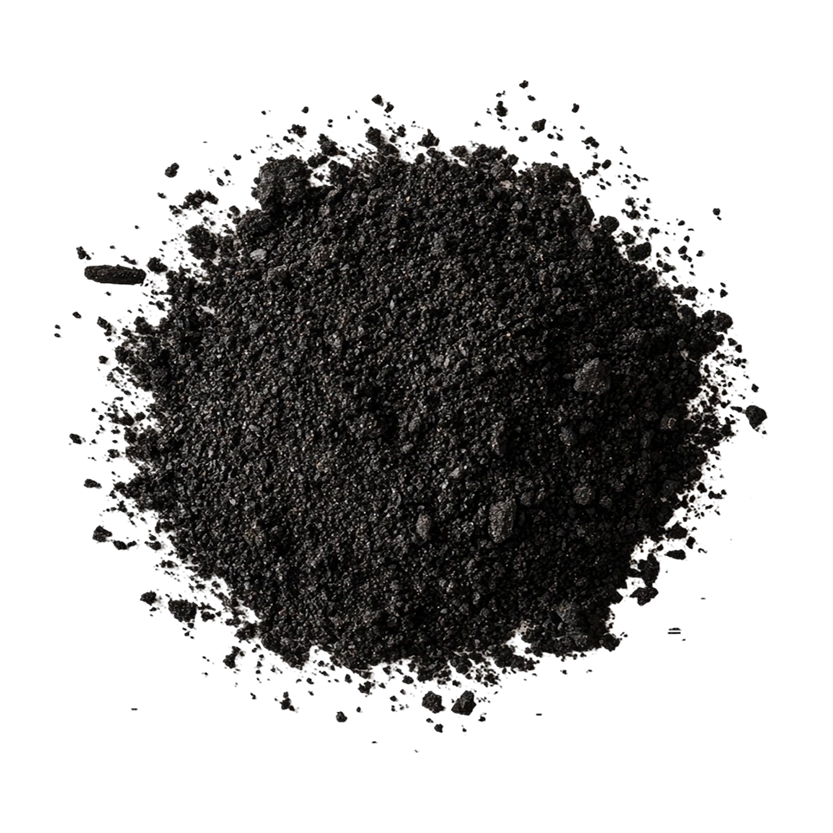
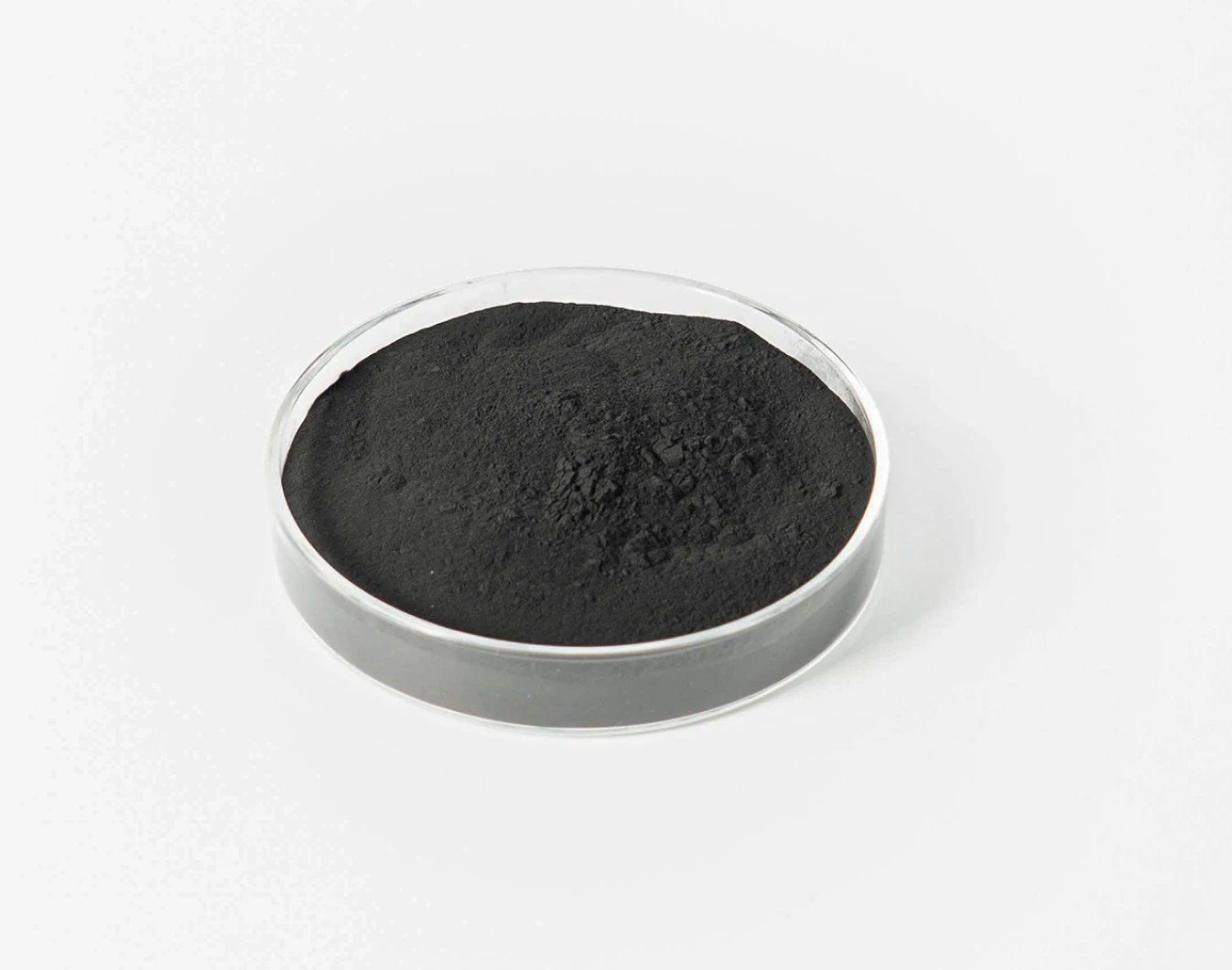
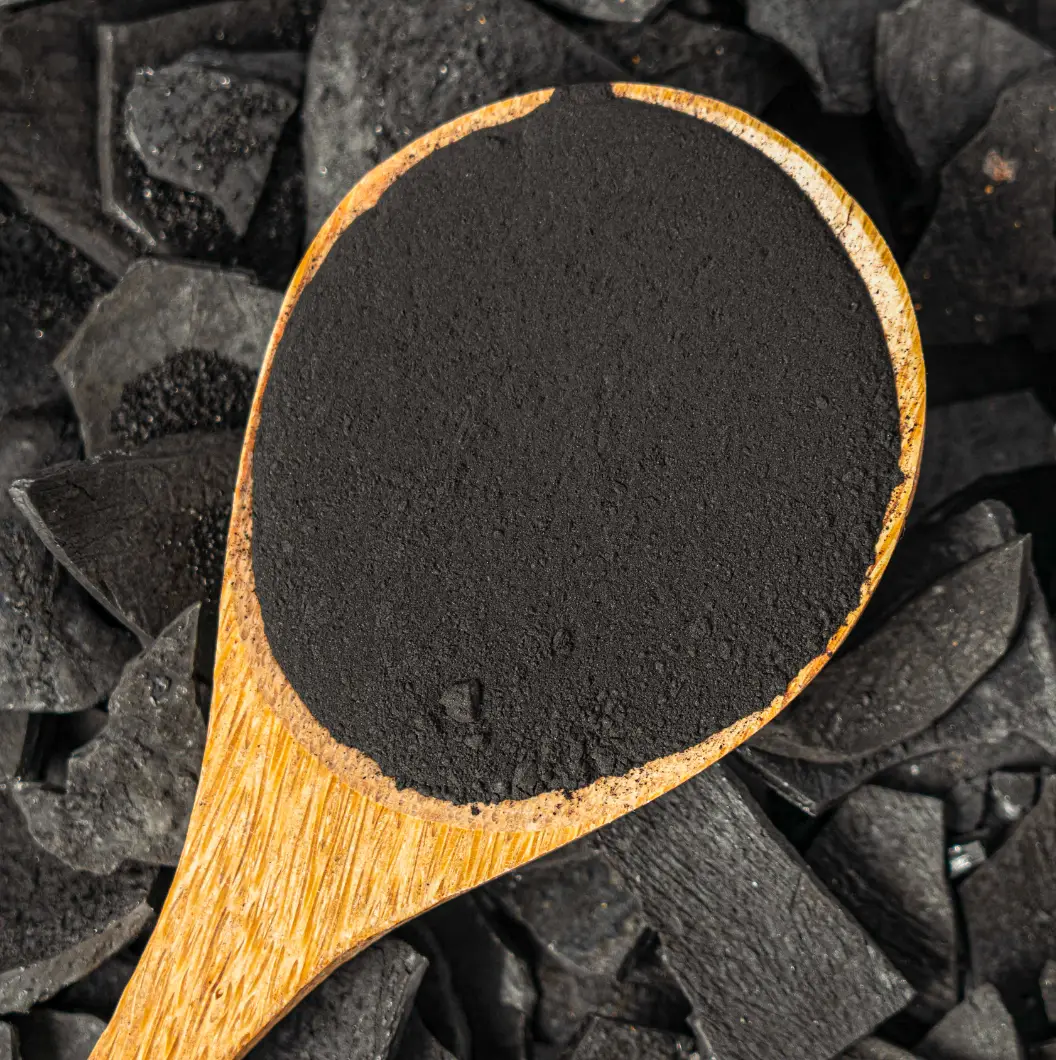
Activated carbon is a solid substance with a porous surface that can combine with different molecular structures. The interaction of activated carbon can be purely physical (through interaction between unconnected atoms or Van der Waals forces) or due to its physical-chemical structure, and its strength can vary depending on the type of molecule and the type of activated carbon. Activated carbon is generally produced through a steam activation process.
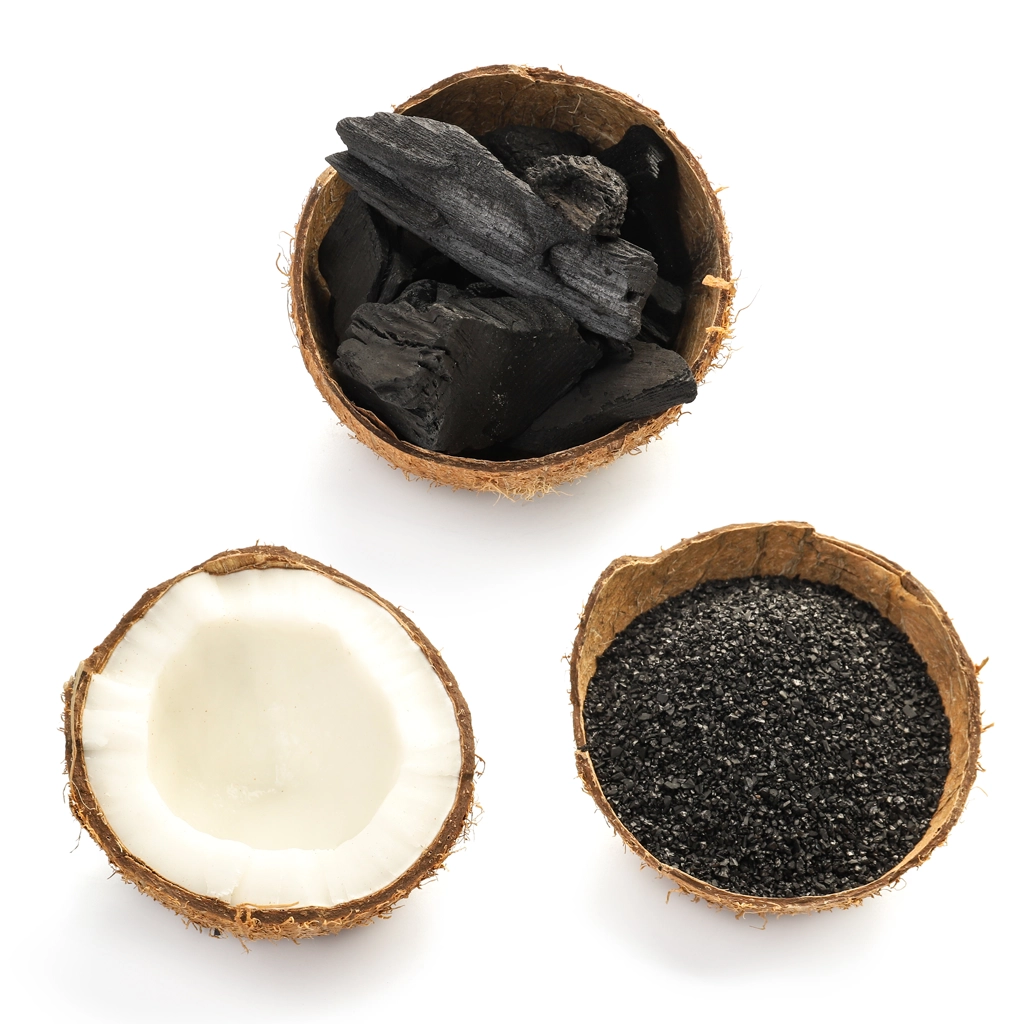
In this process, carbon or carbon-containing starting materials are gasified by reacting them with steam or other oxidizing materials. Raw materials used include charcoal, hard coal, lignite, coconut-based coal, peat coal, or wood-based coal.
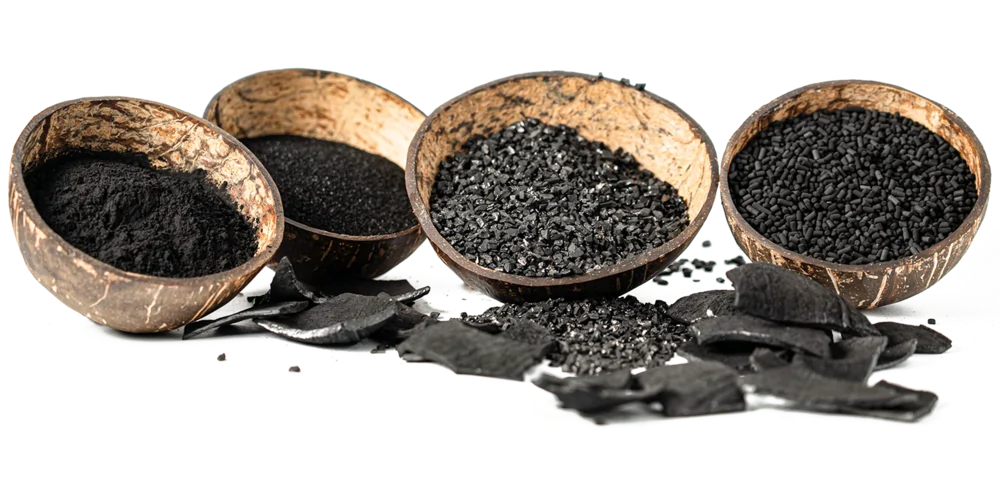
TechCarb serves the industry with product options in different properties, shapes, and sizes (granular, extruded, or powder) to meet the needs in many areas of use.
What is Activated Carbon?
Although activated carbon is considered the raw form of graphite, it is a material with a macro and micro pore structure, unlike the graphite structure. Thanks to its pore structure, activated carbon has a very large surface area. Approximately 3 grams of activated carbon has a surface area of approximately the size of a football field, and the surface area of activated carbon varies between 500 m2/g and 2000 m2/g.
Thanks to this large surface area, activated carbon is an excellent tool for adsorbing and capturing unwanted molecules.
Activated carbon can be obtained from different sources such as coconut shell, coal, or wood. Depending on the source of the raw material used, the pore structure and adsorption properties of the product change.
How Does Activated Carbon Work?
Adsorption is the adhesion of the molecules of a substance to the pores on the surface of activated carbon. Activated carbon is an adsorbent characterized by high micro and macro pores that allow unwanted or recoverable substances in the gas or liquid phase to adhere to the inner surface. Thanks to its mechanism of trapping odor-causing molecules, toxins, and a wide variety of chemicals, activated carbon is a unique tool used for purification and filtration purposes.
Adsorption occurs in two different ways on the surface of activated carbon.
Physical Adsorption: Physical adsorption occurs when the material to be adsorbed adheres to the inner surface of the activated carbon by the Van der Waals force between the molecules. The attraction force decreases as the distance between the pore wall and the molecule increases.
Chemisorption: Adsorption occurs with the strong bond between the molecules to be retained and the chemical complexes impregnated into the pore wall of the activated carbon.
What are the Types of Activated Carbon?
How is Activated Carbon Produced?
Carbon-containing raw materials such as wood charcoal, hard coal, lignite, coconut-based coal, swamp coal, or wood-based coal are used in the production of activated carbon.
For example, wood chips are treated with chemicals that cause dehydration at high temperatures. As a result of all processes, porous activated carbon with a highly developed surface area, ranging from 500-2000 square meters in one gram of carbon, is obtained.
What are the Properties of Activated Carbon?
Surface Area
The effectiveness of activated carbon depends on its internal surface area. As the internal surface area increases, its effectiveness also increases. The surface area of activated carbon varies between 500 m2/g and 1750 m2/g.
Pore Structure
The effectiveness of activated carbon is mainly related to the pore size distribution. The pore size distribution consists of micropores (smaller than 2 nm), mesopores (between 2-50 nm), and macropores (larger than 50 nm). These different pore sizes allow activated carbon to capture molecules of different sizes.
Adsorption Capacity
Activated carbon can adsorb various organic molecules and some inorganic gases thanks to its pore structure and surface chemistry. This feature makes activated carbon highly effective in the purification and treatment of liquids and gases.
The adsorption capacity of activated carbon;
- a) As the molecular weight increases
- b) As the number of functional groups increases
- c) Increases as polarity increases.
How to Choose Activated Carbon?
Shape of Activated Carbon and System Design
Activated carbon types, which can be found in different shapes such as granular, powder, and pellet, are used in different systems and application areas. For example, granular activated carbon is mainly used in water treatment because it is suitable for low pressure changes and high flow rate use. Powdered activated carbon, on the other hand, is suitable for use in fast and intermittent processes such as waste treatment. Pellet activated carbon, on the other hand, provides advantages with its high density, uniform particle size distribution, and low dust content in areas such as air-gas treatment that require minimum pressure drop. However, the appropriate selection of activated carbon should also be made in accordance with the system design such as flow rate, contact time, and bed type.
1
Particle Size and Adsorption Kinetics
Particle size is a factor that directly affects the dynamics and pressure drop of the activated carbon bed. Activated carbon with a small particle size has a larger surface area and can cause a higher pressure drop.
2
Particle Size Distribution
The particle size distribution of activated carbon is critical for the pollutants to be adsorbed. Activated carbon with a dense micropore structure is effective in adsorbing gases and volatile compounds, while activated carbon with a dense mesopore and macropore structure is effective in adsorbing larger molecules such as odor and taste.
3
In addition, factors such as pore volume, the chemical structure of the surface, and the total surface area also affect the performance of activated carbon and are important parameters in the selection of products suitable for the area of use.
TechCarb provides a wide range of products for different sectors with product options in different properties, shapes, and sizes (granular, pellet, or powder) to meet the needs in many areas of use.
Reliable Quality, Wide Product Range
TechCarb adopts a sustainable and reliable supply approach,
offering high-quality chemical products tailored to industrial needs.

Air and Gas Purification
As a result of increasing industrial activities with the development of the industry...

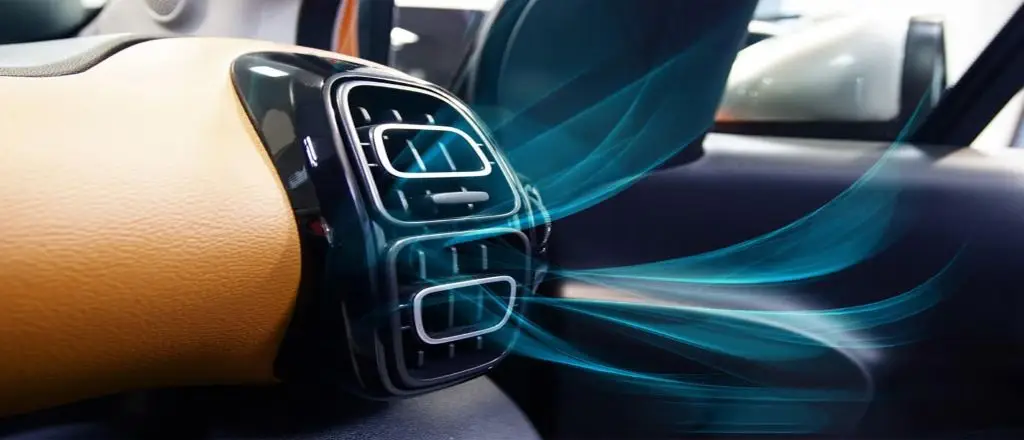
Automotive Industry
Activated carbon for the control of evaporating fuel emissions in vehicles...
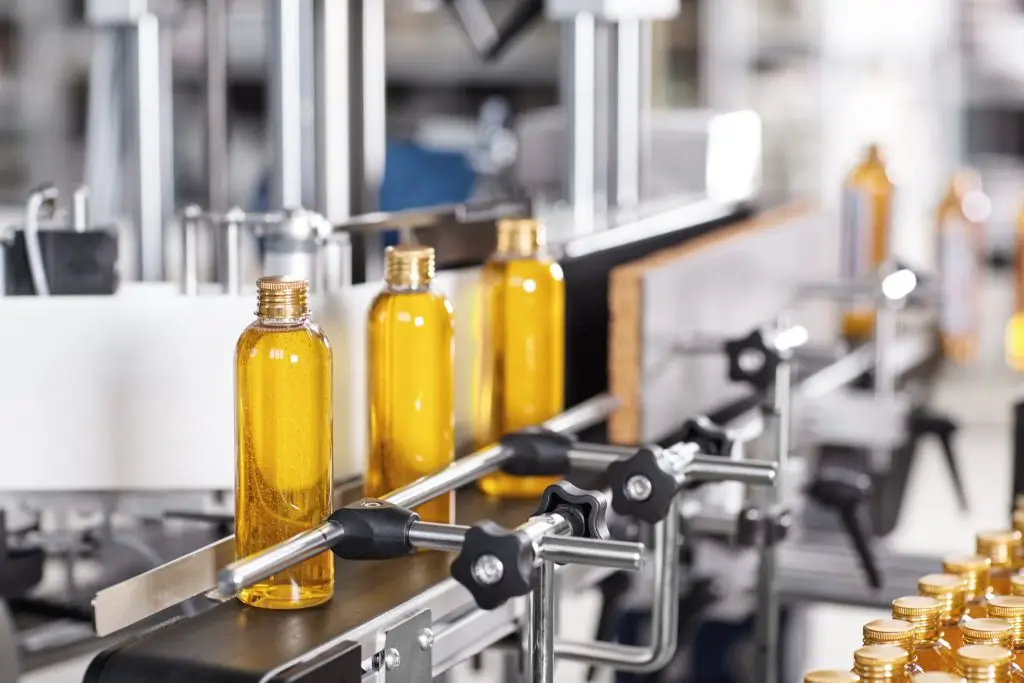
Food & Beverage
Activated carbon in the food and beverage industry for water and air purification, color, odor, and foreign matter removal...
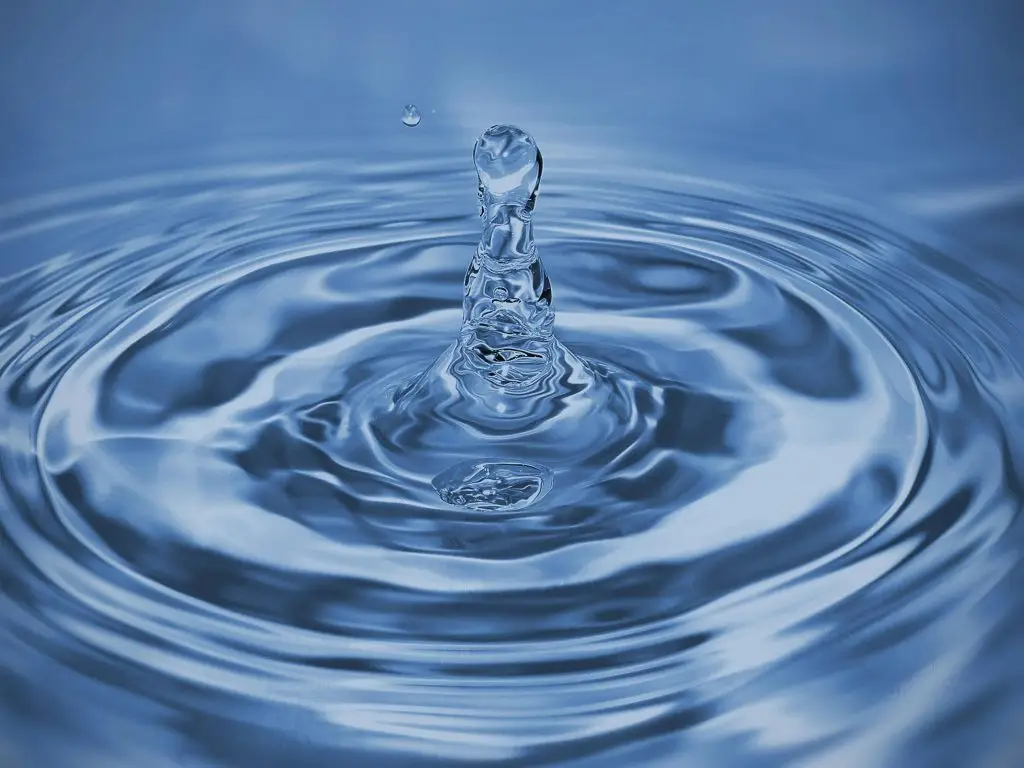
Water Purification
Removal of organic pollutants, chlorine, odor, and colors in drinking water, waste water, and process water treatment...
Gold Recovery
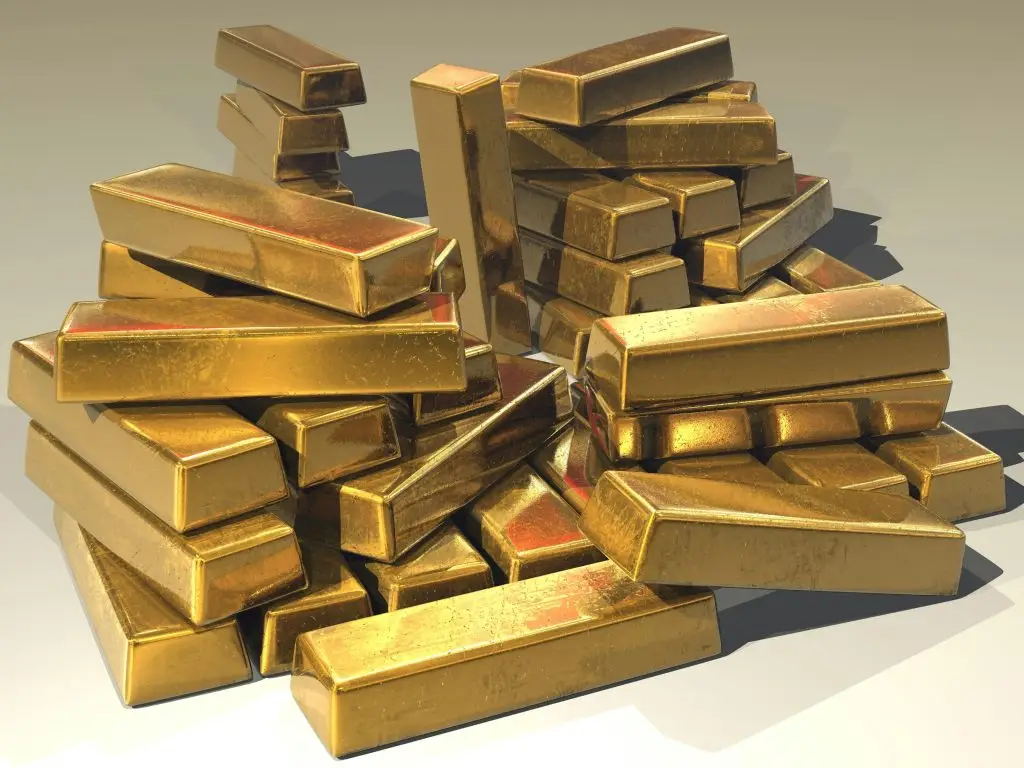
Activated carbon in the recovery of gold ions from cyanide leach solution by adsorption...

Petrochemical Industry
Volatile organic compounds in refinery and petrochemical plants...
Solvent Recovery
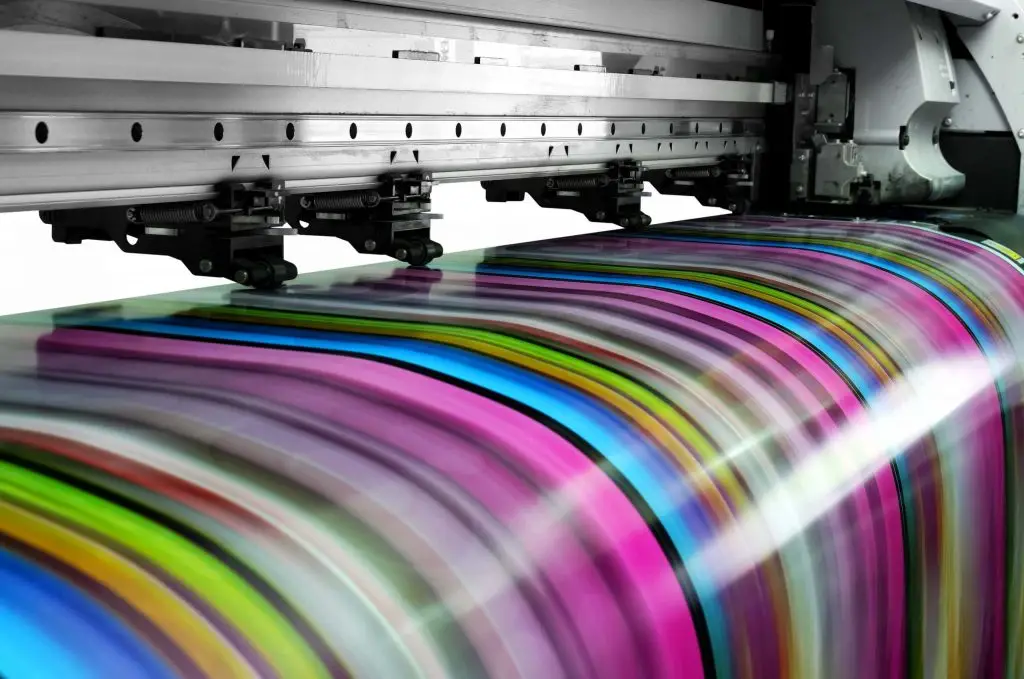
Adsorption and recovery of solvents used in industrial processes with activated carbon...
Tobacco Industry
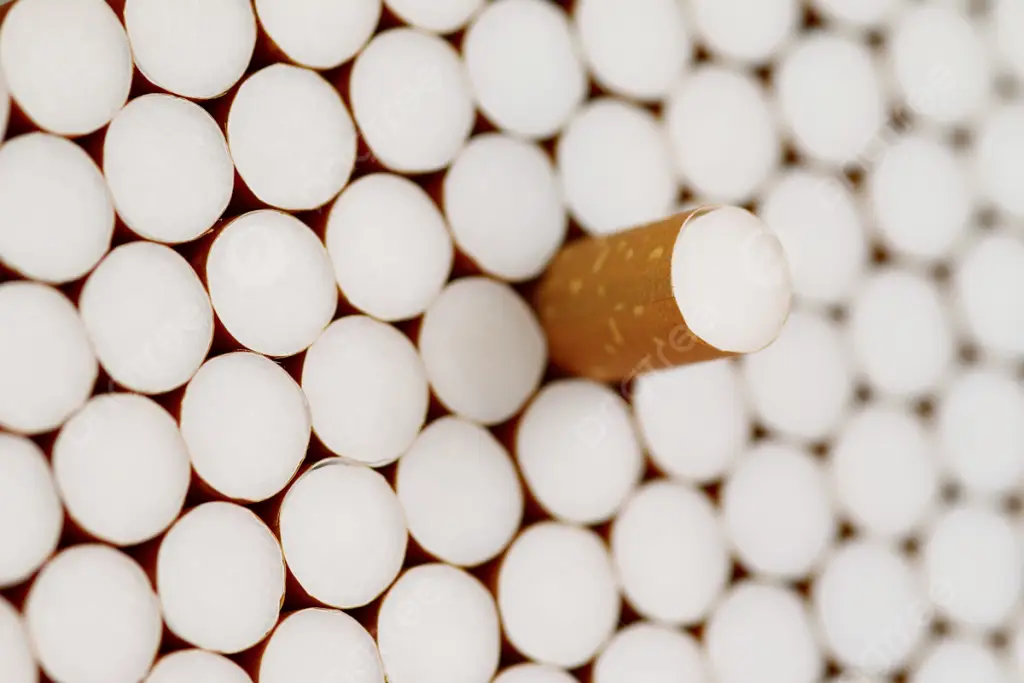
Activated carbon is used to remove odors and volatile compounds generated during tobacco processing and storage.
Pharmaceutical & Medicine
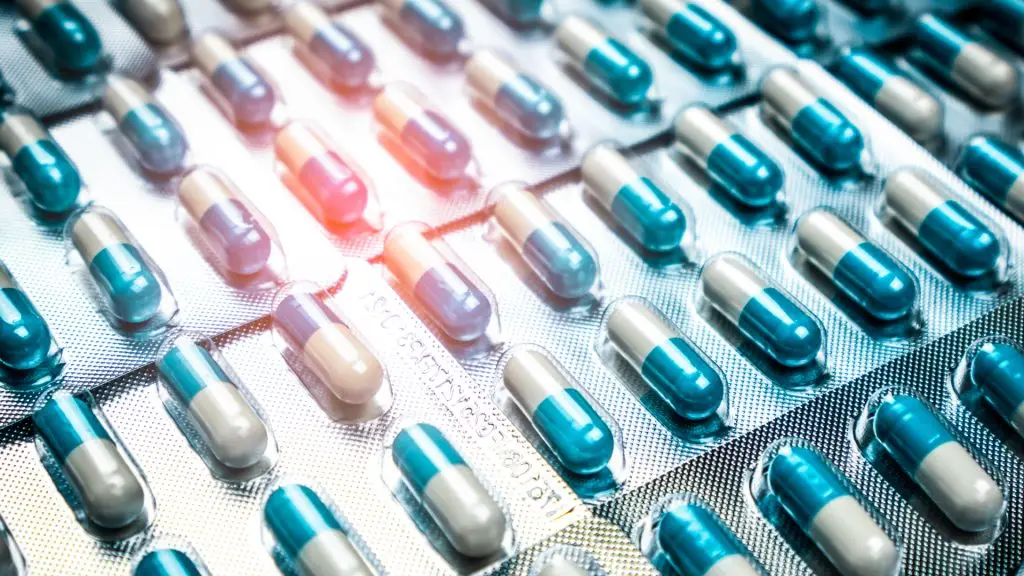
Such as water treatment, solution purification, and air filtration in pharmaceutical production...
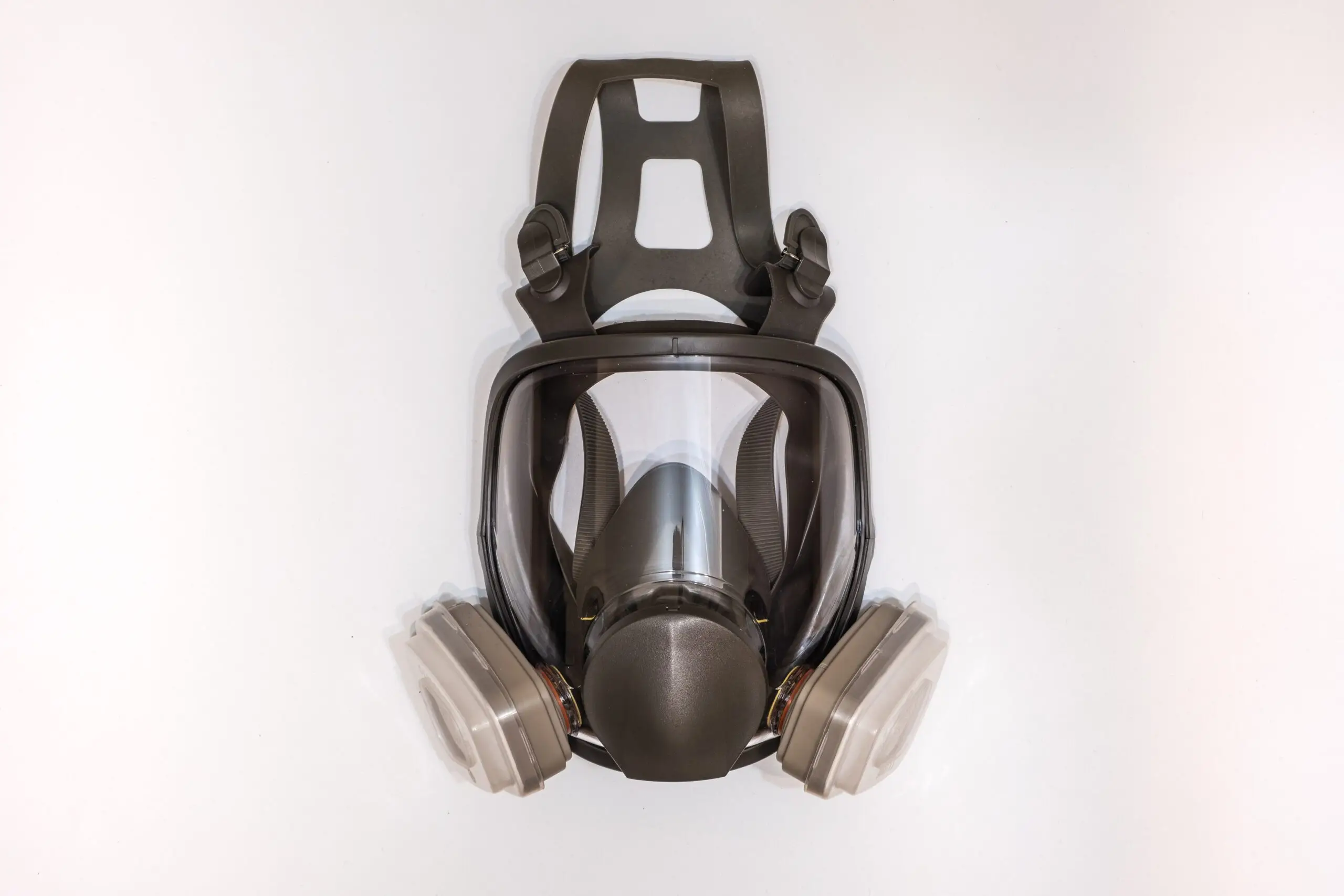
Protective Equipment
Hazardous chemicals in gas masks and respiratory protectors...